
Nutrition & Diet Glossary
Diet and nutrition content is full of terms that get thrown around without explanation. Here's what they actually mean — in plain English, with links to the guides where we put them into practice.
Autophagy
Autophagy is your body's cellular 'self-cleaning' process, in which cells break down and recycle damaged proteins and components. It activates during extended fasting and is associated with improved cellular health and immune function.
Read the full definition→Insulin Resistance
Insulin resistance is a condition in which cells respond poorly to insulin, forcing the pancreas to produce more of it to keep blood sugar in check. Over time, this can lead to elevated blood sugar, increased fat storage, and a higher risk of type 2 diabetes.
Read the full definition→Keto Flu
Keto flu is the cluster of temporary symptoms — fatigue, headache, irritability, brain fog, and muscle cramps — that many people feel during the first one to two weeks of starting a ketogenic diet, while the body adapts to burning fat for fuel.
Read the full definition→Ketosis
Ketosis is a metabolic state in which your body burns fat for fuel instead of glucose, producing molecules called ketones. It's triggered by significantly cutting carbohydrate intake — typically below 20-50 grams of net carbs per day.
Read the full definition→Metabolic Flexibility
Metabolic flexibility is your body's ability to efficiently switch between burning carbohydrates and burning fat for fuel depending on what's available. Greater flexibility is linked to steadier energy, easier weight management, and better blood sugar control.
Read the full definition→Net Carbs
Net carbs are the carbohydrates your body actually digests and turns into blood sugar — calculated by subtracting fiber (and sugar alcohols, where relevant) from total carbohydrates. Staying under 20-50 grams of net carbs daily is the standard threshold for reaching ketosis.
Read the full definition→OMAD (One Meal a Day)
OMAD, or One Meal a Day, is an extreme form of intermittent fasting in which all daily food intake is compressed into a single 1-2 hour eating window, followed by roughly 22-23 hours of fasting.
Read the full definition→Satiety
Satiety is the feeling of fullness and satisfaction after eating that naturally suppresses the urge to keep eating. It's shaped by a meal's protein and fiber content, its volume, and hormonal signals like leptin and ghrelin that tell your brain you've had enough.
Read the full definition→
Join our
Science Newsletter
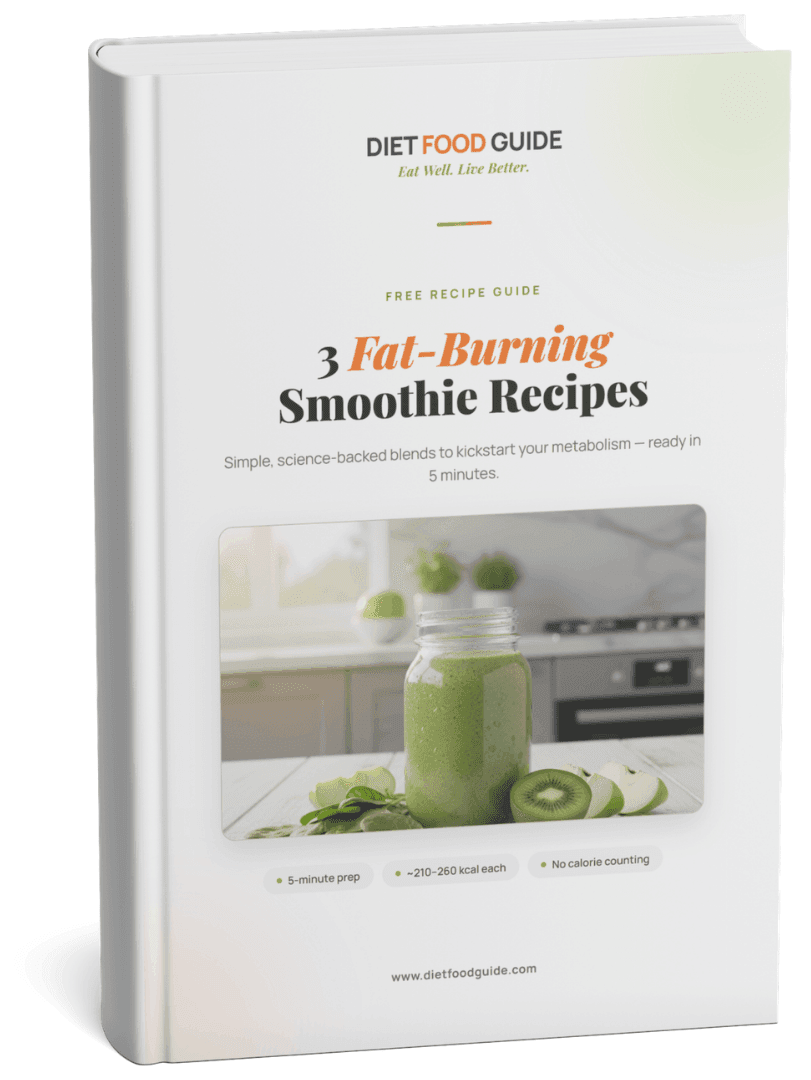
Subscribe and get instant access to our 3 Free Fat-Burning Smoothie Recipes (PDF) plus a weekly digest of the latest nutrition science, new guides, and exclusive recipes.
Zero spam. Pure science. Unsubscribe anytime.