The ketogenic diet has exploded in popularity, promising rapid weight loss and metabolic transformation. But beneath the success stories lies a fundamental shift in how we think about food, fuel, and the role of fat in our diet—a shift that challenges decades of conventional nutrition advice.
What Is the Keto Diet and How Does It Work?
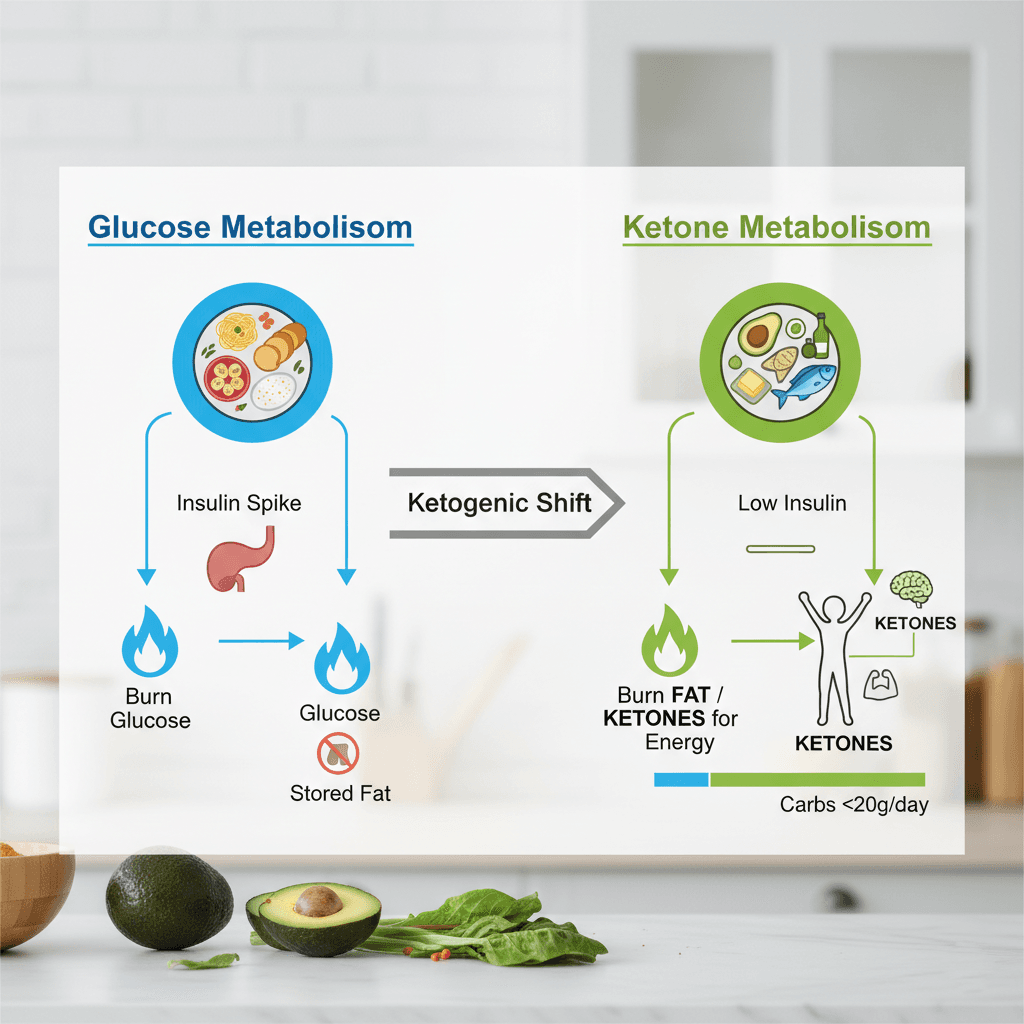
A ketogenic diet is a low-carb, high-fat eating plan that fundamentally changes what your body uses for fuel. Instead of burning glucose from carbohydrates, your body switches to burning fat for energy—a metabolic state called ketosis.
When you drastically reduce carbohydrates (typically to under 20-50 grams of net carbs per day), your liver begins converting fat into small energy molecules called ketones. These ketones fuel your brain and other organs, while fat directly powers your muscles.
The key to this transformation is insulin—the hormone that determines whether your body burns sugar or fat. By keeping carbs low and eating less frequently, you maintain lower insulin levels, which allows your body to access and burn stored body fat for energy.
The Controversial Truth About Fat
Here's where things get controversial: for decades, we've been told that fat, especially saturated fat, is the enemy. The ketogenic approach flips this advice completely on its head. On keto, you're encouraged to eat fatty cuts of meat, butter, cream, and cheese—foods that traditional dietary guidelines have warned against.
Studies show significant weight loss on keto without counting calories, and many people experience reduced hunger and improved blood sugar control. But this high-fat approach remains hotly debated in the medical community.
What to Eat on a Keto Diet
The Foundation: Vegetables First
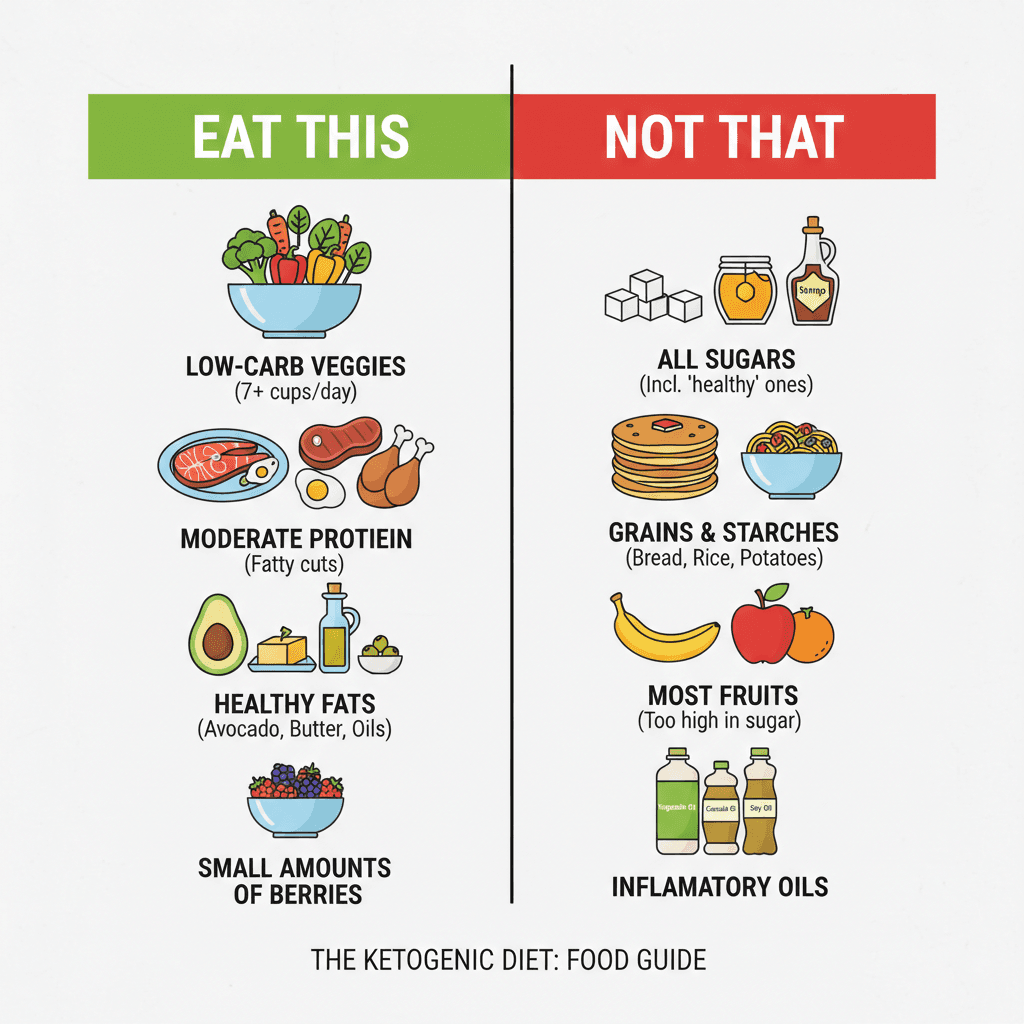
Start every meal with vegetables—at least seven cups per day. Recommended vegetables include:
- Leafy greens (kale, spinach, lettuce)
- Cruciferous vegetables (broccoli, Brussels sprouts, cabbage, cauliflower)
- Bell peppers
- At the beginner level, even carrots, tomatoes, and beets are acceptable
Pro Tip
Moderate Protein: Not Atkins 2.0
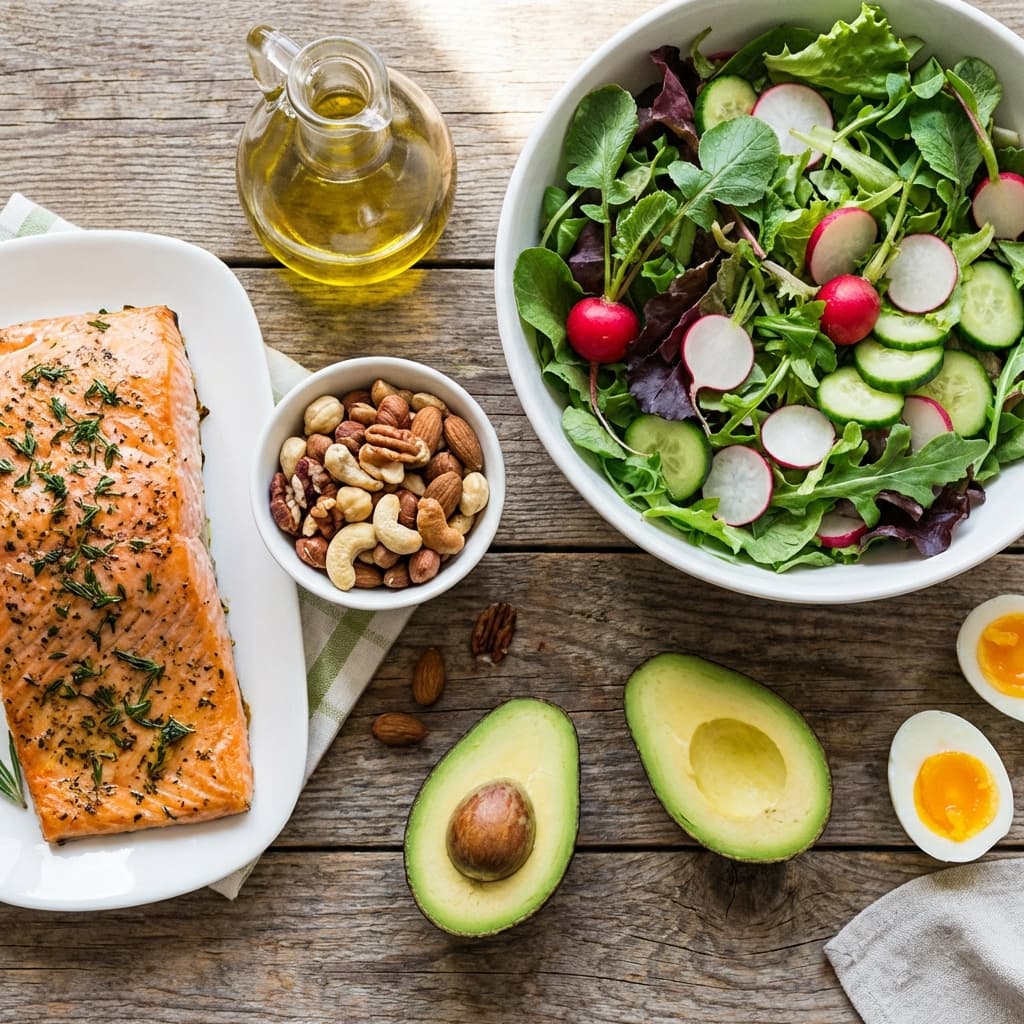
You don't need massive amounts of protein—just moderate portions of 3-8 ounces per meal. Protein sources include: meat, fish, seafood, chicken, eggs, cheese, nuts and nut butters.
The controversial protein paradox: Avoid lean, low-fat proteins. Instead, choose fattier cuts of meat, fatty fish, and full-fat cheese. Lean protein powders like whey can spike insulin significantly—undermining the very goal of keto.
Higher Fat: The Caloric Backbone
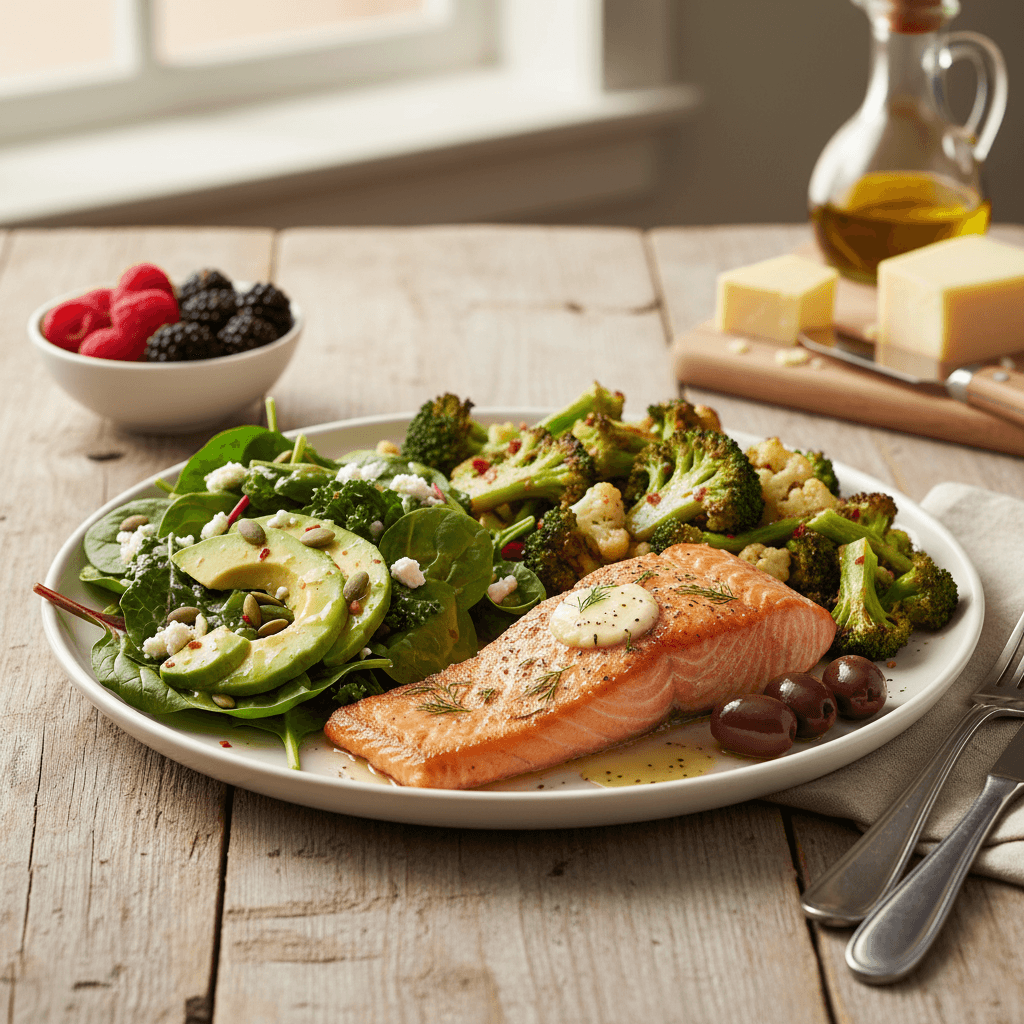
You can add additional fats like avocado, butter, olive oil and olives, coconut oil, and heavy cream.
Why add fat to vegetables? Vegetables contain fat-soluble nutrients and antioxidants. Adding butter or olive oil helps your body extract and absorb these beneficial compounds.
What to Strictly Avoid
All Forms of Sugar
This includes obvious sources like white sugar, but also "healthy" alternatives: honey, agave nectar, brown sugar, date sugar, and maple syrup.
Most Fruits
Avoid all fruits except three types of berries in small amounts: raspberries, strawberries, and blackberries. No apples, bananas, or oranges—the sugar content is simply too high for ketosis.
Grains and Starches
Wheat flour products (bread, pasta, cereal), rice, potatoes, and other starchy vegetables. Use almond flour for baking and cauliflower as a potato substitute.
Inflammatory Oils
Soy oil, corn oil, canola oil, cottonseed oil, sunflower oil, and safflower oil. These are commonly found in salad dressings, mayonnaise, and processed foods.
The Power of Less Frequent Meals
Combining keto with intermittent fasting creates a powerful metabolic effect. The rule is simple: Don't eat unless you are truly hungry.
Skip breakfast entirely. Instead, have coffee with a tablespoon of butter and MCT oil—this provides immediate ketones to your brain without breaking your fast.
Never snack. Even small snacks trigger insulin and make you hungrier. If you're tempted to snack, it means you didn't eat enough fat at your last meal.
A common keto schedule: First meal at noon, second meal at 6:00 PM (6-hour eating window, 18-hour fasting window).
Getting Into Ketosis
- Eat less than 20 grams of net carbs per day — This is the fastest route to ketosis, often taking just a few days
- Avoid eating too often — If you're not hungry, don't eat. Intermittent fasting accelerates ketosis
- Measure ketones — Test your blood, breath, or urine to confirm you're in ketosis
Nutritional ketosis means blood ketone levels between 0.5 and 3.0 mmol/L.
The Keto Flu: What They Don't Always Tell You
The first few days to weeks can be challenging. You may experience: fatigue, headache, irritability, brain fog, dizziness, and muscle cramps.
The good news: These symptoms are temporary and can be minimized by replenishing fluids and salt. Drink salty broth or use salt liberally.
Common Mistakes to Avoid
Mistake 1: Eating Too Much Fat. Excessive fat prevents your body from burning stored body fat for energy.
Mistake 2: Overdoing Nuts and Dairy. Their carbs and calories add up quickly—keep portions small.
Mistake 3: Fearing Protein. Studies show protein usually has little to no effect on blood sugar levels.
Mistake 4: Chasing Higher Ketone Levels. Being in ketosis is binary. Higher ketone levels don't produce better weight loss results.
Potential Risks and Controversies
Some concerns include long-term effects (research is limited), possible nutrient deficiencies, kidney stones in a small percentage, and elevated LDL cholesterol in some individuals.
Who Should Be Cautious: People taking medications for high blood pressure or diabetes (especially insulin) require medical supervision. Breastfeeding women and people with rare metabolic conditions should avoid keto.
The Macronutrient Breakdown
- Carbohydrates: Less than 20 grams net carbs daily (50 grams maximum)
- Protein: Moderate amounts, 3-8 ounces per meal
- Fat: Higher by calorie percentage
Signs You're in Ketosis
- Dry mouth or metallic taste
- Increased thirst and more frequent urination
- "Keto breath" or "fruity breath"
- Initial fatigue followed by increased energy
- Decreased appetite and food intake
Summary
The ketogenic diet represents a fundamental shift in nutritional thinking. By drastically reducing carbohydrates and increasing healthy fats, you switch your body's fuel source from glucose to ketones, often resulting in significant weight loss without calorie counting.
Success requires avoiding all sugars, most fruits, grains, and starches while embracing vegetables, moderate protein with fat, and additional healthy fats. The first few weeks may be challenging as your body adapts, but most people eventually experience increased energy, reduced hunger, and sustainable weight loss.
Frequently Asked Questions
- Q
Is keto safe for everyone?
For most people, keto is safe when providing adequate nutrition. However, those taking medications for diabetes or high blood pressure must consult their doctor. Breastfeeding women and people with rare metabolic conditions should avoid ketosis. Always discuss significant dietary changes with your healthcare provider.
- Q
How much weight can I expect to lose on keto?
Most people lose 2-4 pounds during the first week, though much of this is water weight. After the initial period, weight loss typically slows to about 1 pound per week, though many lose more or less depending on starting weight, metabolism, and adherence.
- Q
Can I drink alcohol on keto?
Occasional wine is acceptable, but avoid sweet alcoholic drinks and beer. Stick to dry wines, spirits with zero-carb mixers, or light beer in moderation. Alcohol can slow ketosis and may affect you more strongly when in ketosis due to depleted glycogen stores.
- Q
Do I need to count calories on keto?
Initially, no. Focus on eating the right foods in the right proportions and timing. Many studies show significant weight loss on keto without calorie counting because reduced hunger naturally leads to lower calorie intake. If you plateau, you may need to monitor portions of calorie-dense foods like nuts, cheese, and added fats.
- Q
How long does it take to get into ketosis?
Most people enter ketosis within 2-7 days when consistently eating under 20 grams of net carbs daily. Combining very low carb intake with intermittent fasting can speed up the process. You can confirm ketosis by testing blood, breath, or urine ketones.
- Q
Should I take supplements on keto?
Many people benefit from electrolyte supplementation—particularly sodium, potassium, and magnesium—to prevent keto flu symptoms and muscle cramps. A quality multivitamin can help fill nutritional gaps, especially if you're not eating seven cups of vegetables daily.
- Q
Can I exercise while on keto?
Yes, though your performance may temporarily decline during the adaptation phase (first 2-4 weeks). Once fat-adapted, many people report excellent energy for endurance activities. High-intensity exercise may be more challenging on keto since these activities typically rely on glucose.
- Q
Can keto help with type 2 diabetes?
Many studies show keto can be highly effective for improving blood sugar control and insulin sensitivity in people with type 2 diabetes. Some people significantly reduce or eliminate diabetes medications under medical supervision. Always work closely with your doctor when starting keto with diabetes.