Disclosure: This article contains affiliate links. If you purchase through them, we may earn a commission at no extra cost to you. We only recommend products we have genuinely reviewed and believe in.
Let's start with some honesty, because the internet rarely gives you any on this topic: most food additives are harmless. Preservatives that stop your bread from growing mold are not out to get you, and "chemical-sounding" names don't automatically mean danger — water is a chemical too.
But that doesn't mean every ingredient on the label deserves a free pass. A handful of additives show up overwhelmingly in ultra-processed foods — the cookies, sodas, deli meats and snack packs that research increasingly links to weight gain and poor metabolic health. Learning to spot them is less about fear and more about a simple, reliable signal: the more of these you see, the more processed the food, and the easier it is to overeat.
The Short Answer
You don't need to memorize a banned-ingredients list. A few additives — like sodium nitrate, high-fructose corn syrup, artificial dyes and certain industrial preservatives — are reliable markers of ultra-processed food. The healthiest move isn't hunting for "clean" packaged versions; it's shifting most of your plate toward whole foods that don't need a label at all.
Why "Read the Label" Beats Any Banned List
Food companies aren't villains, but they are businesses, and their job is to make food cheap, shelf-stable, and irresistibly palatable. Those three goals are exactly what drive heavy processing. Marketing terms like "all natural," "organic," or "fat free" are designed to make highly processed products feel healthy — and they often work.
The most useful skill, then, isn't avoiding one specific molecule. It's recognizing the overall pattern. The additives below are simply the most common flags.
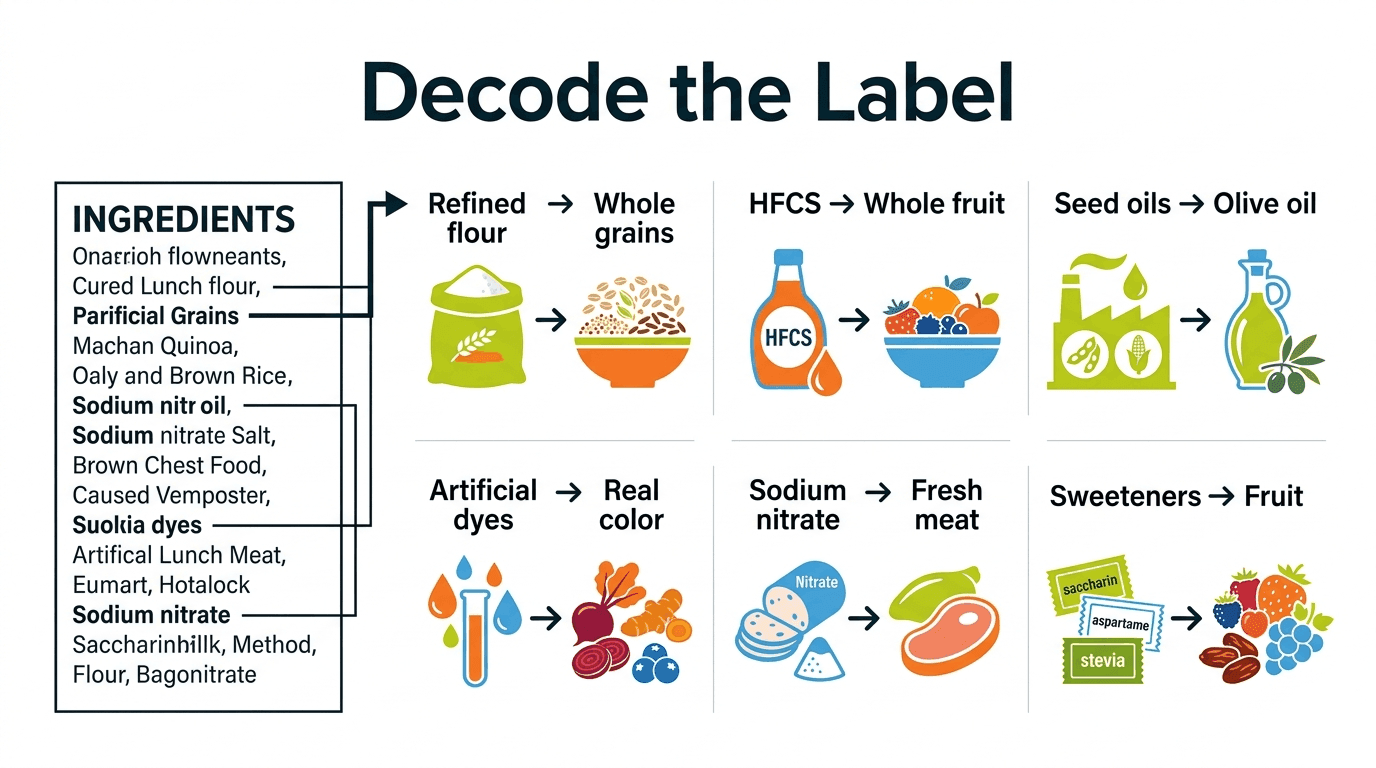
8 Additives Worth Knowing About
| Additive | Where it hides | Why limit it | Eat instead |
|---|---|---|---|
| Sodium nitrate / nitrite | Bacon, hot dogs, deli meats | Processed meats are classified as a probable carcinogen by the WHO | Fresh, unprocessed lean meats |
| High-fructose corn syrup | Soda, sauces, cereal, "healthy" snacks | Strongly linked to obesity and metabolic disease in high amounts | Whole fruit; foods sweetened lightly or not at all |
| Artificial dyes (e.g. Yellow #5) | Candy, drinks, brightly colored snacks | Purely cosmetic; flagged for hyperactivity concerns in children | Foods colored by real ingredients |
| BHA / BHT | Chips, cereals, packaged baked goods | Synthetic preservatives; animal studies raise questions at high doses | Foods preserved naturally or eaten fresh |
| Refined / "enriched" flour | White bread, pastries, most packaged baked goods | Stripped of fiber and nutrients, then partially re-added | 100% whole grains: oats, quinoa, brown rice |
| Hydrogenated / refined seed oils | Fried foods, margarine, packaged snacks | A major source of pro-inflammatory, low-quality fat | Extra-virgin olive oil, avocado, nuts |
| Artificial sweeteners | "Diet" and "sugar-free" products | May affect appetite and gut bacteria; keep sweet cravings alive | Whole fruit; gradually reducing added sweetness |
| Emulsifiers (e.g. polysorbate 60) | Ice cream, dressings, creamy packaged foods | Emerging research suggests some may disrupt the gut lining | Simple, short-ingredient versions made at home |
Notice what almost every "eat instead" column has in common: it's a whole food, or something close to one. That's not a coincidence.
Pro Tip
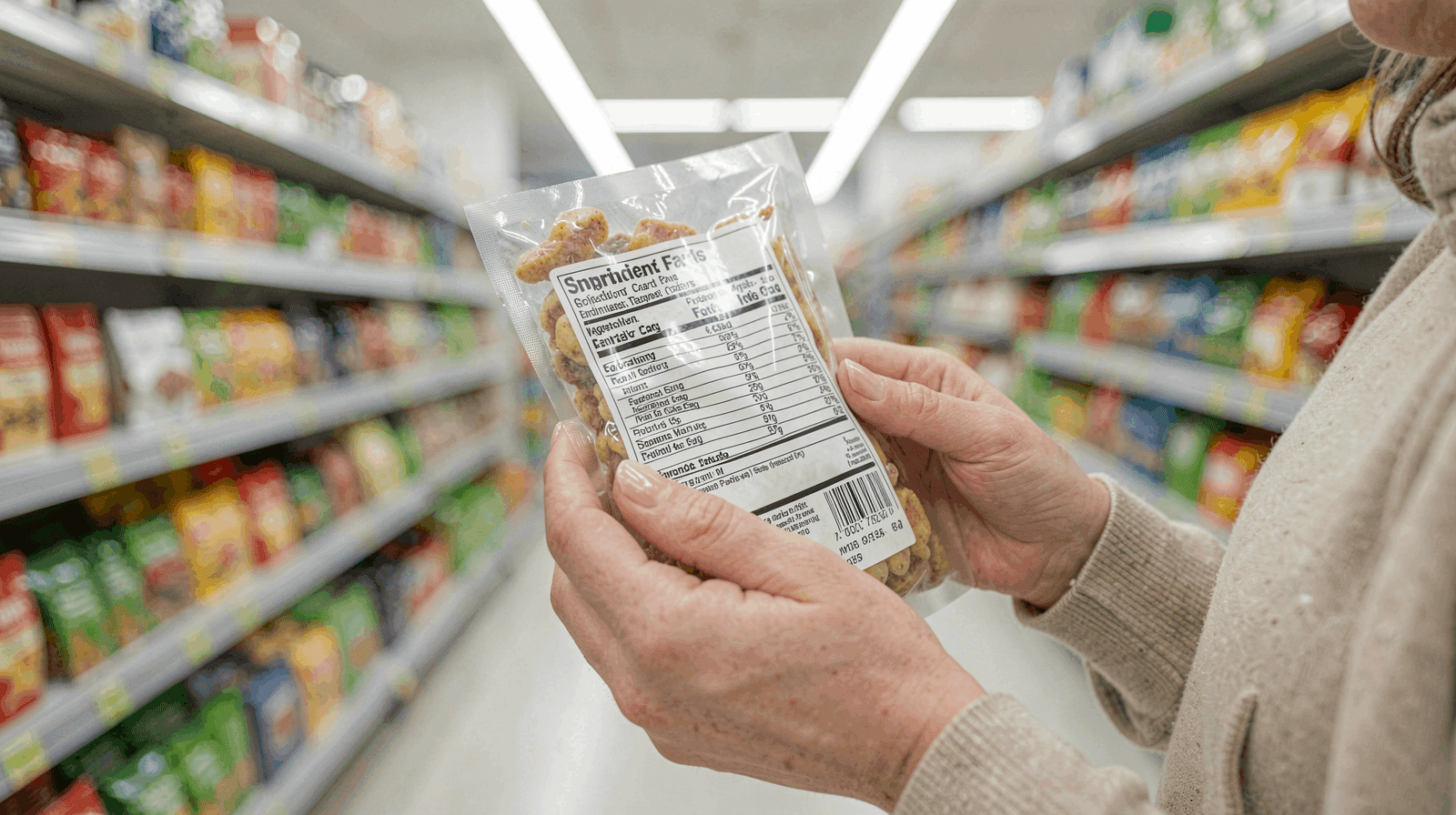
A quick rule of thumb: if the ingredient list is longer than the recipe you'd use to make the food yourself, it's probably ultra-processed. You don't need to ban it — just make it the exception, not the base of your diet.
The Real Fix Isn't a "Cleaner" Package
Here's the trap people fall into: they swap one ultra-processed product for a slightly less processed one with a prettier label, and feel virtuous. But a cookie is still a cookie.
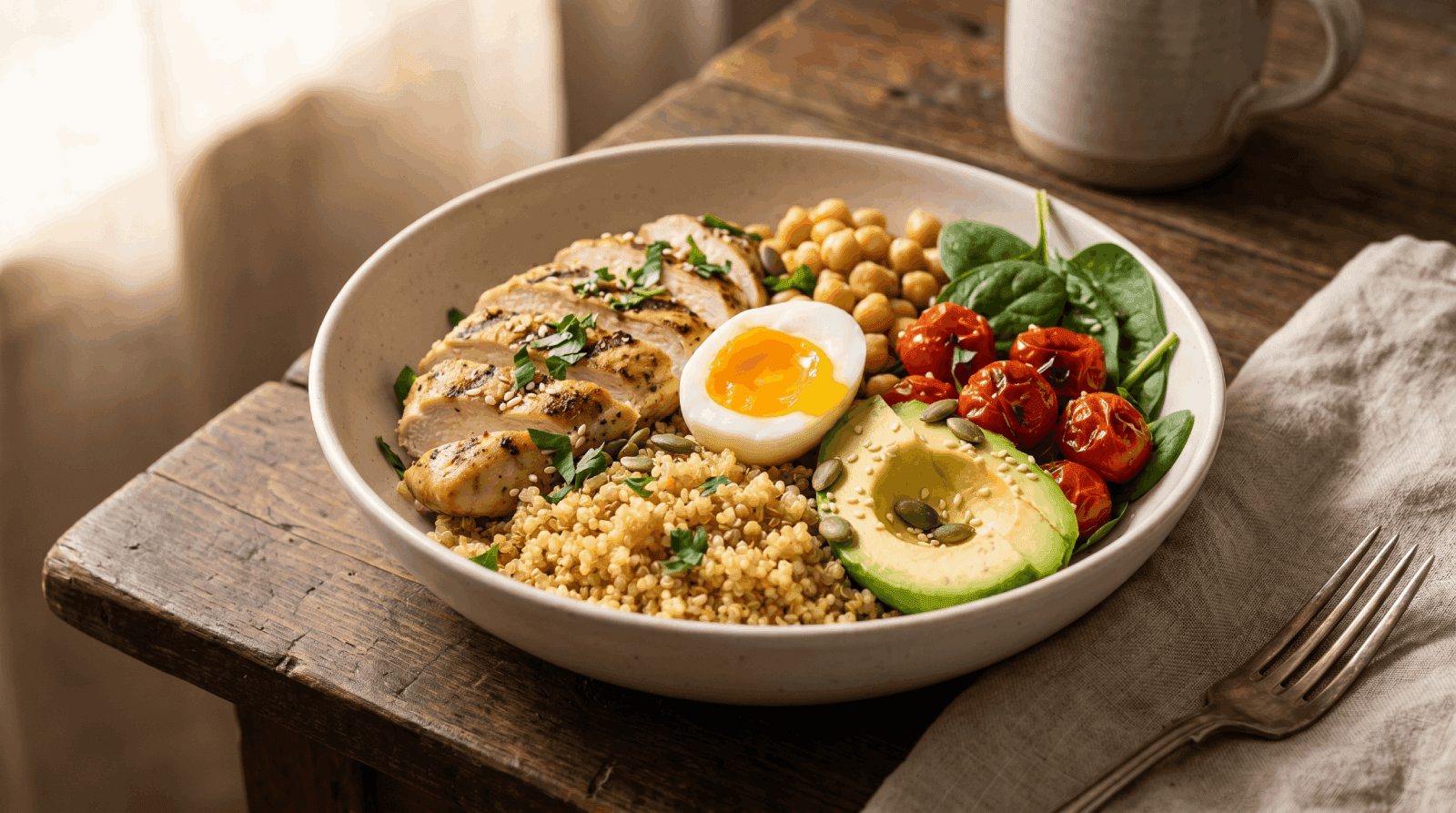
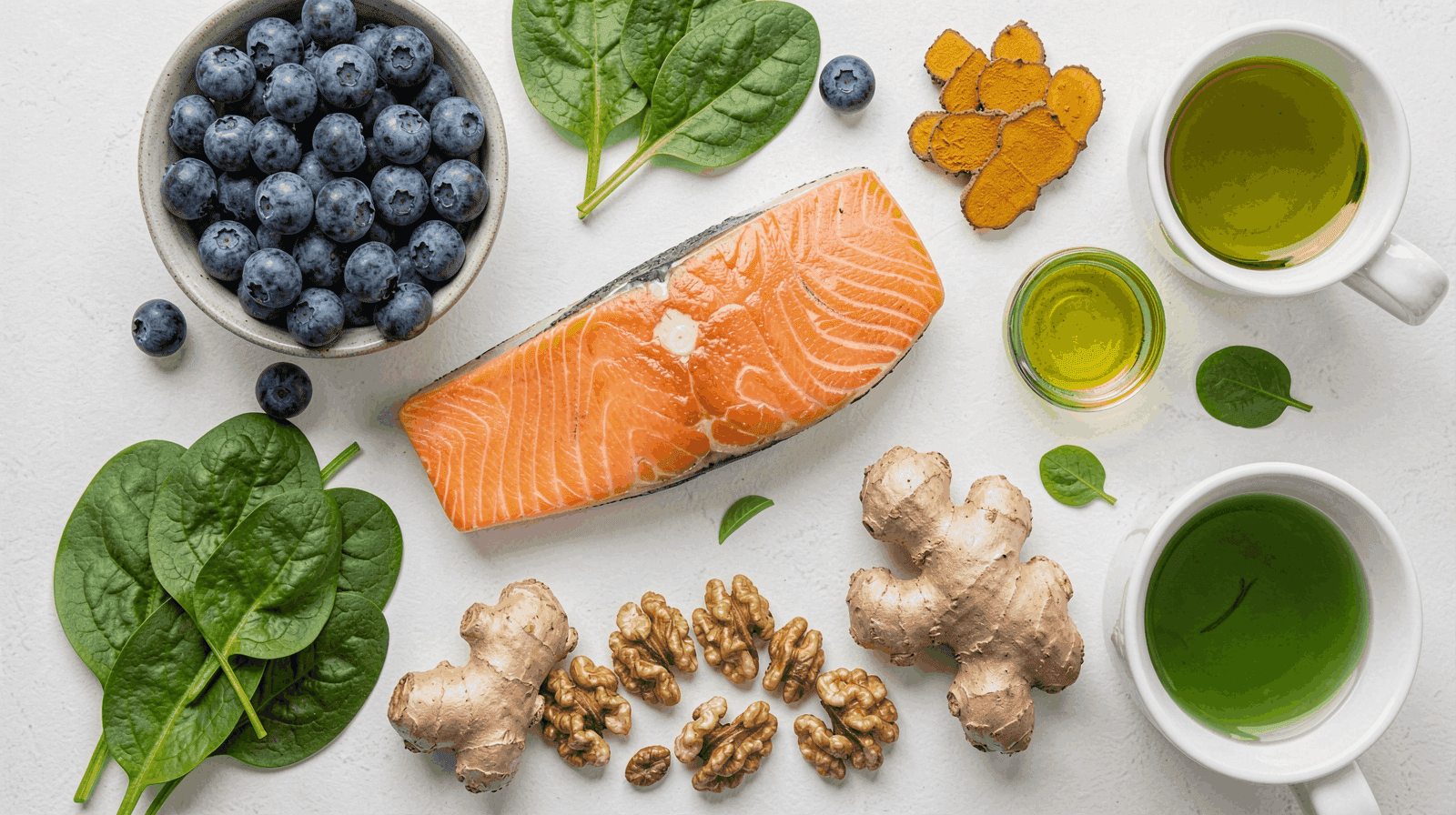
The genuinely effective move is to shift the ratio of your diet toward foods that never needed a label in the first place — vegetables, fruit, legumes, whole grains, eggs, fish, and unprocessed meat. When most of your plate is whole food, the occasional processed treat simply doesn't matter much.
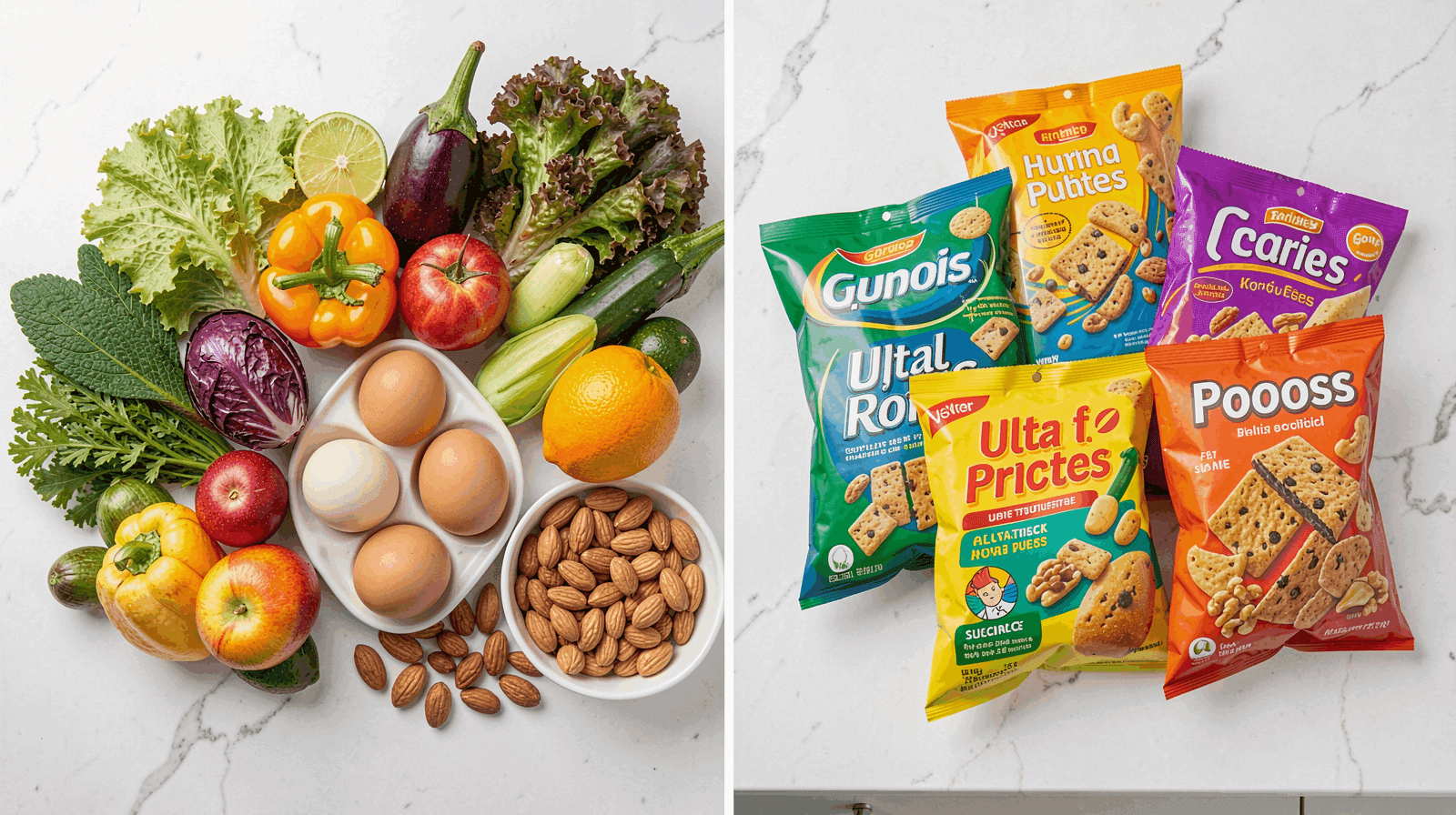
One of the easiest ways to crowd out processed snacks is to make a whole-food option more convenient than the packaged one. A green smoothie is a good example: blended fruit, greens and seeds take five minutes, taste like a treat, and replace a meal's worth of processed calories with fiber and micronutrients. Many of these same whole foods are also naturally anti-inflammatory — a nice bonus for how you feel day to day.
Crowd out processed food the easy way
The Smoothie Diet replaces two processed meals a day with nutrient-dense whole-food smoothies — 36+ recipes, a 21-day plan, and a 60-day money-back guarantee.
See The Smoothie Diet →The Takeaway
Don't let anyone scare you into thinking the grocery store is a minefield. Most additives are fine. But a small group of them reliably signals ultra-processed food, and ultra-processed food is the easiest kind to overeat. Learn the pattern, lean on whole foods, and you've solved 90% of the problem without memorizing a single chemical name.
For the bigger picture on how food choices translate into actual fat loss, see our guide to the science of sustainable weight loss — and if the holidays are coming up, our tips on avoiding holiday weight gain put these ideas into practice.
Disclaimer: This article is for informational purposes only and is not medical advice. Results vary. Consult your healthcare provider before making significant changes to your diet, especially if you have a medical condition.
Frequently Asked Questions
- Q
Are all food additives bad for you?
No — most are harmless and simply keep food safe and shelf-stable. Only a small group is worth actively limiting, and even those are mainly a signal that a food is ultra-processed rather than poison in any normal serving.
- Q
What's the single most useful label-reading habit?
Look at the length and contents of the ingredient list. If it's long, full of names you wouldn't use in your own kitchen, and led by refined flour or a syrup, it's ultra-processed. Short, recognizable lists are usually a better sign.
- Q
Is high-fructose corn syrup really worse than sugar?
Gram for gram it's metabolized similarly to regular sugar, but it's added in very high amounts to a huge range of products, which is the real problem. Reducing all added sugars — by whatever name — matters more than singling one out.
- Q
Do I have to buy everything organic to avoid these additives?
No. "Organic" packaged foods can still be ultra-processed. The more reliable strategy is to base most of your diet on whole foods, organic or not, and treat heavily processed products as occasional rather than everyday.